Intro
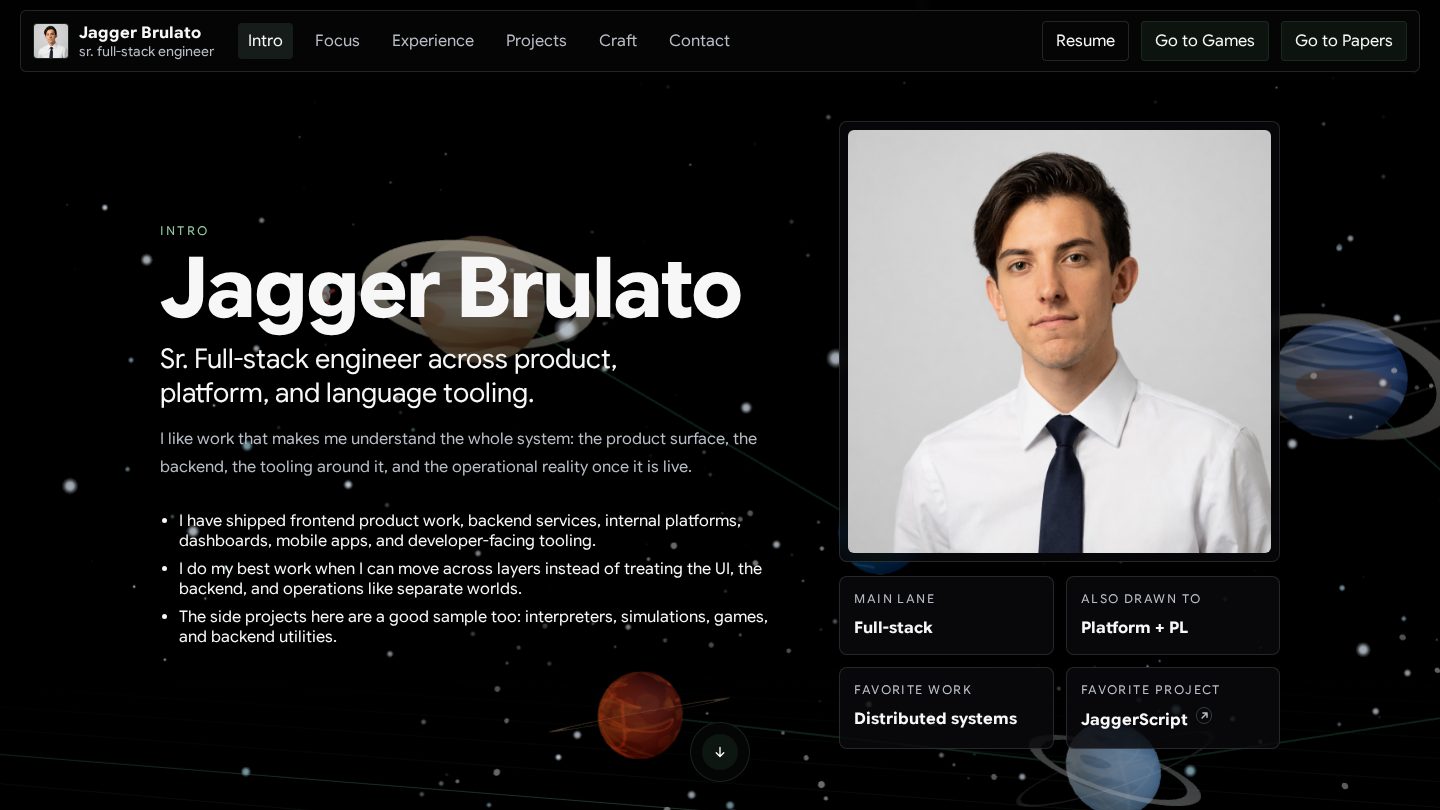
Jagger Brulato
Senior full-stack engineer across product, systems, platform, and infrastructure work.
I’m a senior engineer who works across product, backend, platform, data, infrastructure, and developer tooling. I like roles where those pieces connect.
- I’ve worked at Google, startups, platform teams, and product teams.
- I can lead the work, make technical decisions, write the code, mentor engineers, and keep the system understandable as it grows.
- My side projects follow the same pattern: languages, runtimes, compilers, simulations, games, compression, renderers, and backend utilities.

Focus
I like work that crosses product, backend, data, infrastructure, and developer tooling.
For me that has meant consumer apps, React and Three.js product surfaces, Node services, platform automation, data pipelines, mobile software, dashboards, and internal systems.
Work across the stack
I can work from the user experience through the backend, data model, event flow, infrastructure, and runtime behavior.
Use systems work in product work
Platform and data systems work has made me better at product engineering. I think carefully about boundaries, data flow, queues, observability, failure modes, and rollout paths.
Build things other engineers use
I like building tools, dashboards, APIs, deployment paths, Terraform workflows, CI/CD systems, and abstractions that other engineers use.
Experience
My experience spans product, platform, data, mobile, infrastructure, and leadership.
That includes senior startup work, Google data systems, AWS platform engineering, internal developer platforms, production apps, and team leadership.

Palmetto
Software Development Engineer III
Senior software engineering role at a clean-energy startup, focused on the Palmetto app and the backend services behind its home-energy product experience.

Red Ventures
Platform Engineer
Built internal platform capabilities used by Red Ventures engineers to launch, operate, and understand applications without rebuilding the same infrastructure each time.

L4 Software Engineer
Built distributed data systems at Google for M&A integrations, shared data infrastructure, and internal reporting in a high-scale production environment.

Cornell Design & Tech Initiative
Developer Lead
Oversaw development across Cornell DTI, a 100+ member student product organization, while staying hands-on with implementation and developer support.
SWE Intern
Created an open-source scheduler and roster organizer for Alvin Ailey Dance Company in NYC, building a multi-user full-stack experience shaped closely with clients and stakeholders.
Cornell Design & Tech Initiative
Technical Project Manager
Led the Cue app subteam while also doing full-stack product work across the interface, backend APIs, and deployment setup that kept the project moving.
Cornell Design & Tech Initiative
Full Stack Developer
Worked as a full-stack developer on a Cornell DTI project team, building user interfaces and backend systems across multiple platforms.

Lowe’s
Software Engineering Intern
Worked on Lowe's Central Price Master, contributing across frontend, backend microservices, and the surrounding delivery tooling.

Incite Analytics
Full Stack Developer
Worked at a cardiovascular health startup, building product functionality that helped track and detect heart problems in patients across mobile clients and backend systems.

Velocitor
Software Engineer Intern
Built cross-platform mobile software in C# and Xamarin for large-client operational applications, while also contributing platform-specific code on both Android and iOS.
Projects
The projects show how I build outside of work.
They’re practical and technical: languages, parsers, runtimes, WebAssembly, games, simulations, compression, renderers, libraries, and backend utilities.
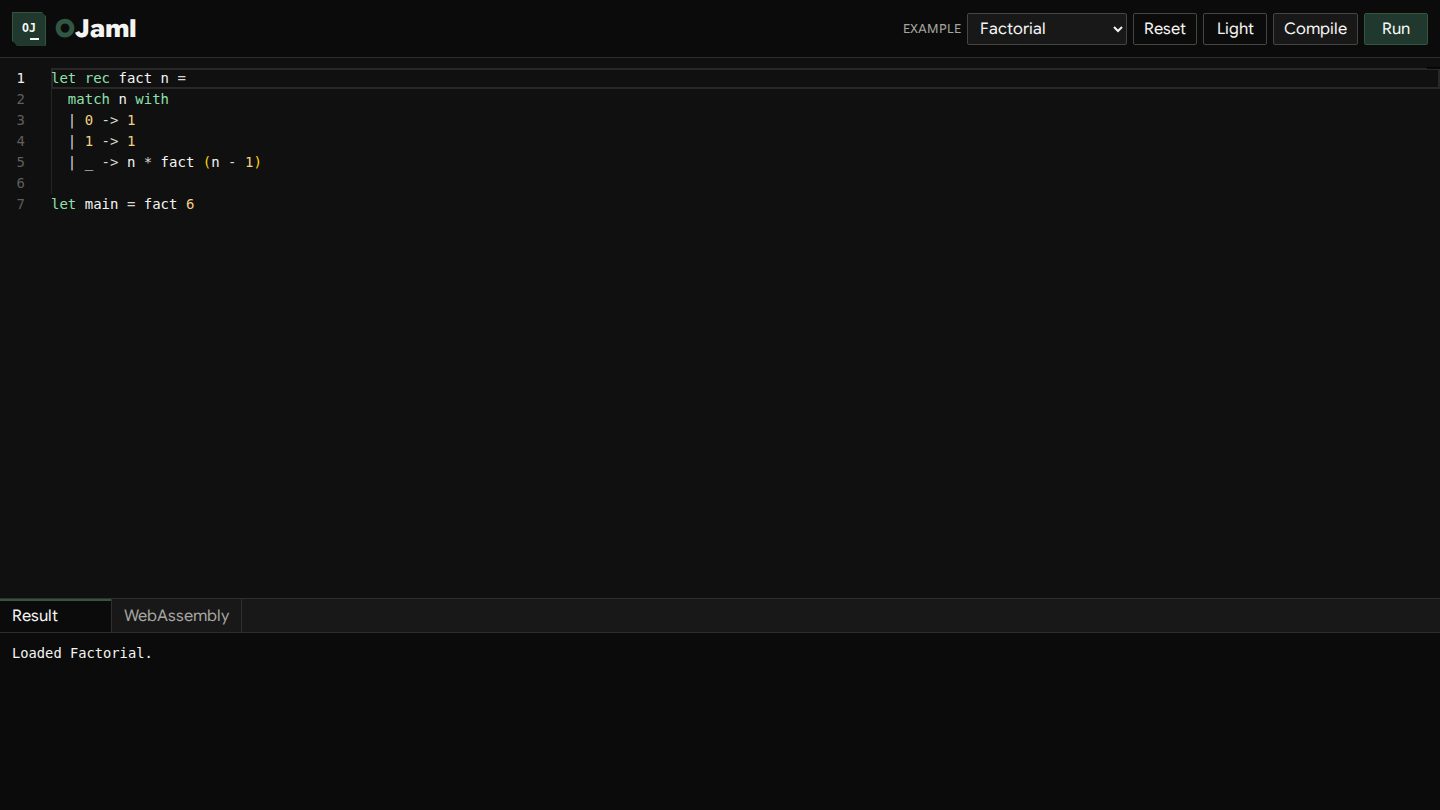
OJaml
An OCaml-inspired language and compiler built end to end in TypeScript with lexing, recursive-descent parsing, Hindley-Milner-style inference, polymorphic functions, signature-checked modules, structural patterns, polymorphic collections, ADTs, records, tuples, and WebAssembly emission.
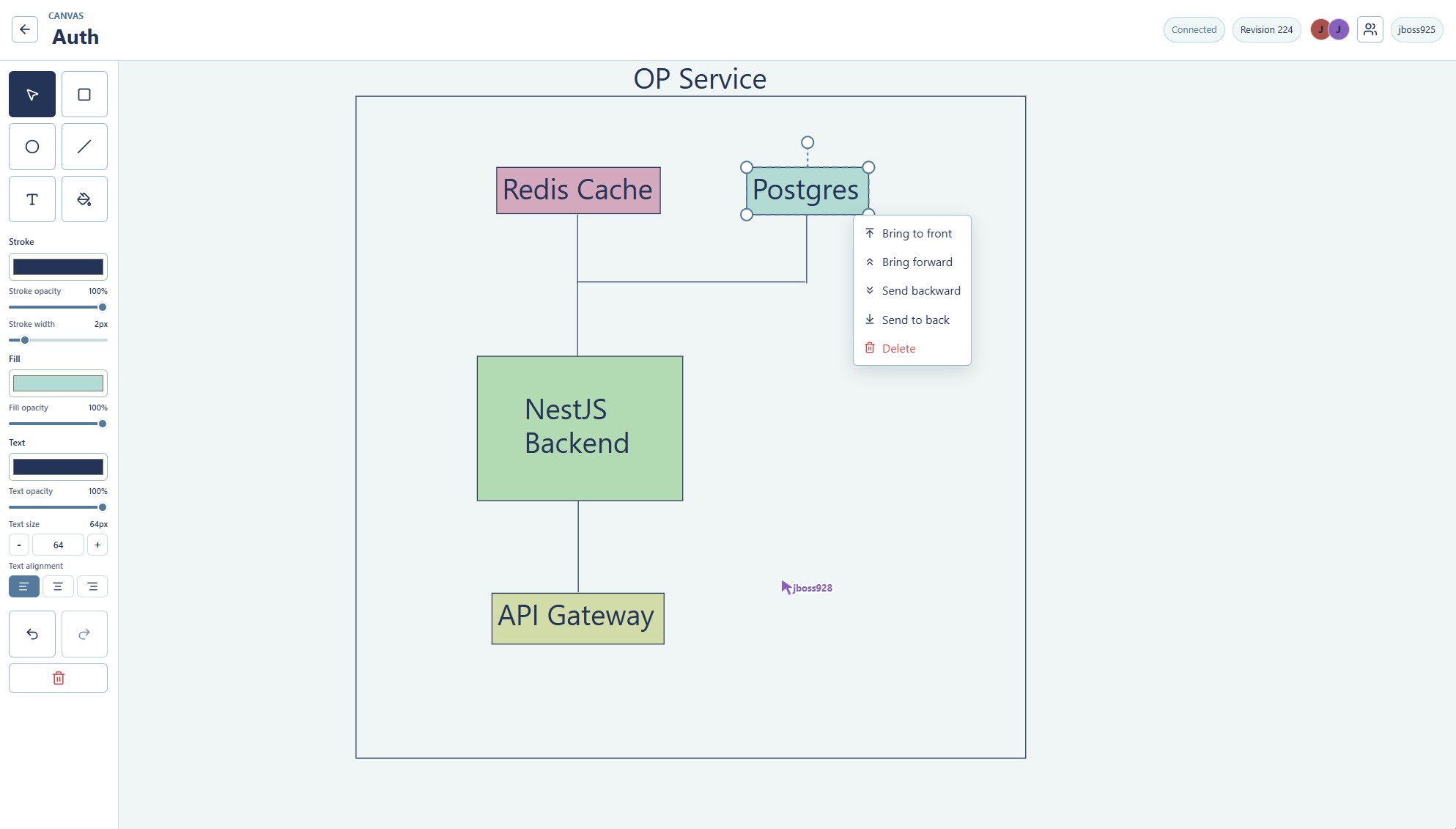
LiveBoard
A distributed collaborative whiteboard with realtime sync, Redis-backed fanout, durable PostgreSQL canvas state, transient drag/style previews, shared undo/redo history, live cursors, presence indicators, file management, access control, grouping, transforms, text styling, and infinite-canvas navigation.
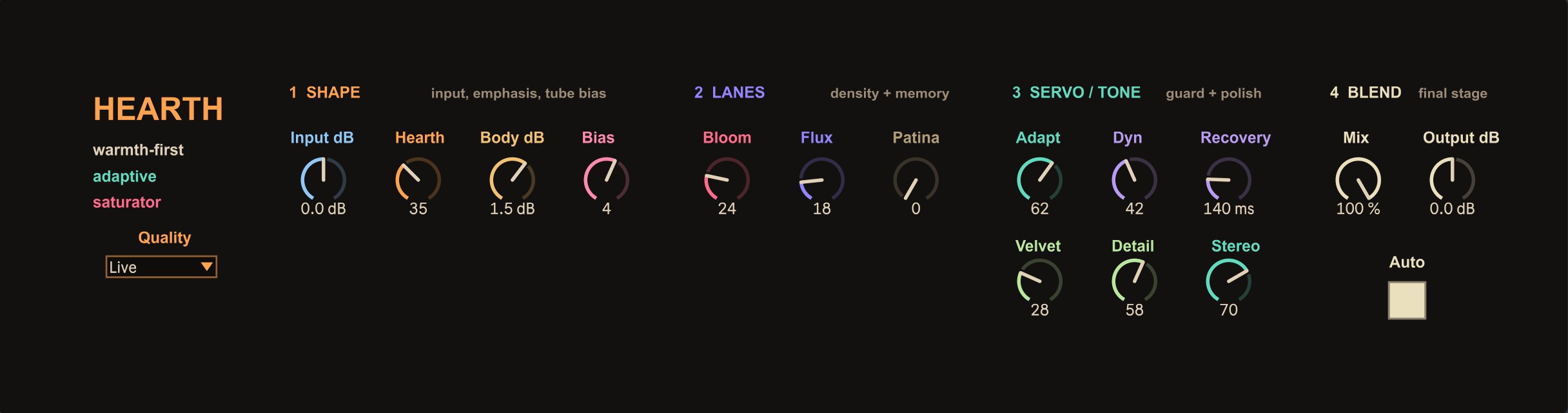
Hearth
A Max for Live warm-saturation device with GenExpr DSP, adaptive tone control, anti-aliased tube drive, flux memory, and transient bloom.
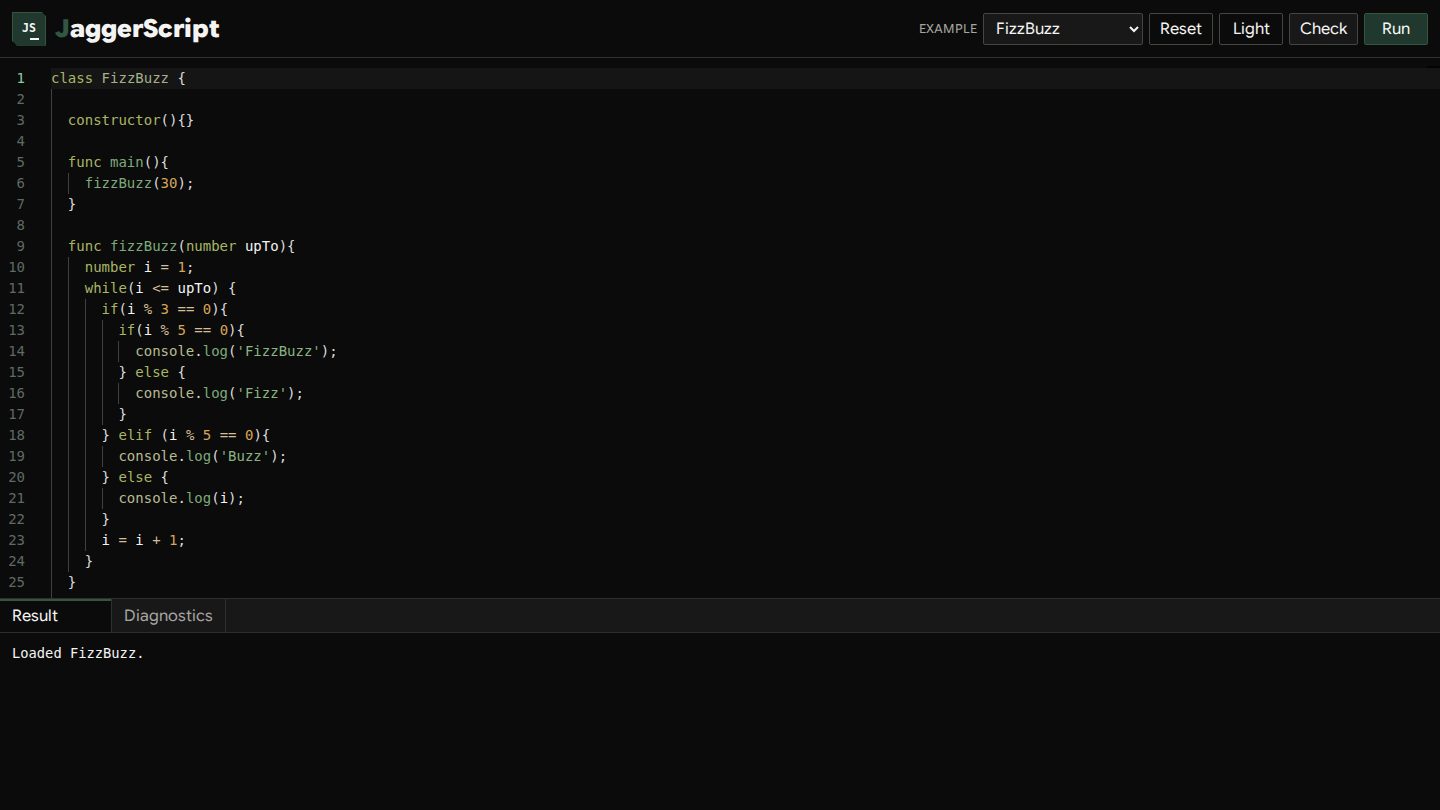
JaggerScript
A small typed scripting language with classes, constructors, scoped member access, control flow, object allocation, and a browser-runnable interpreter.

AIXC Compressor
A deterministic predictor-based text compression format with packed hit/miss streams, residual coding, manifest hashing, and multiple predictor backends.
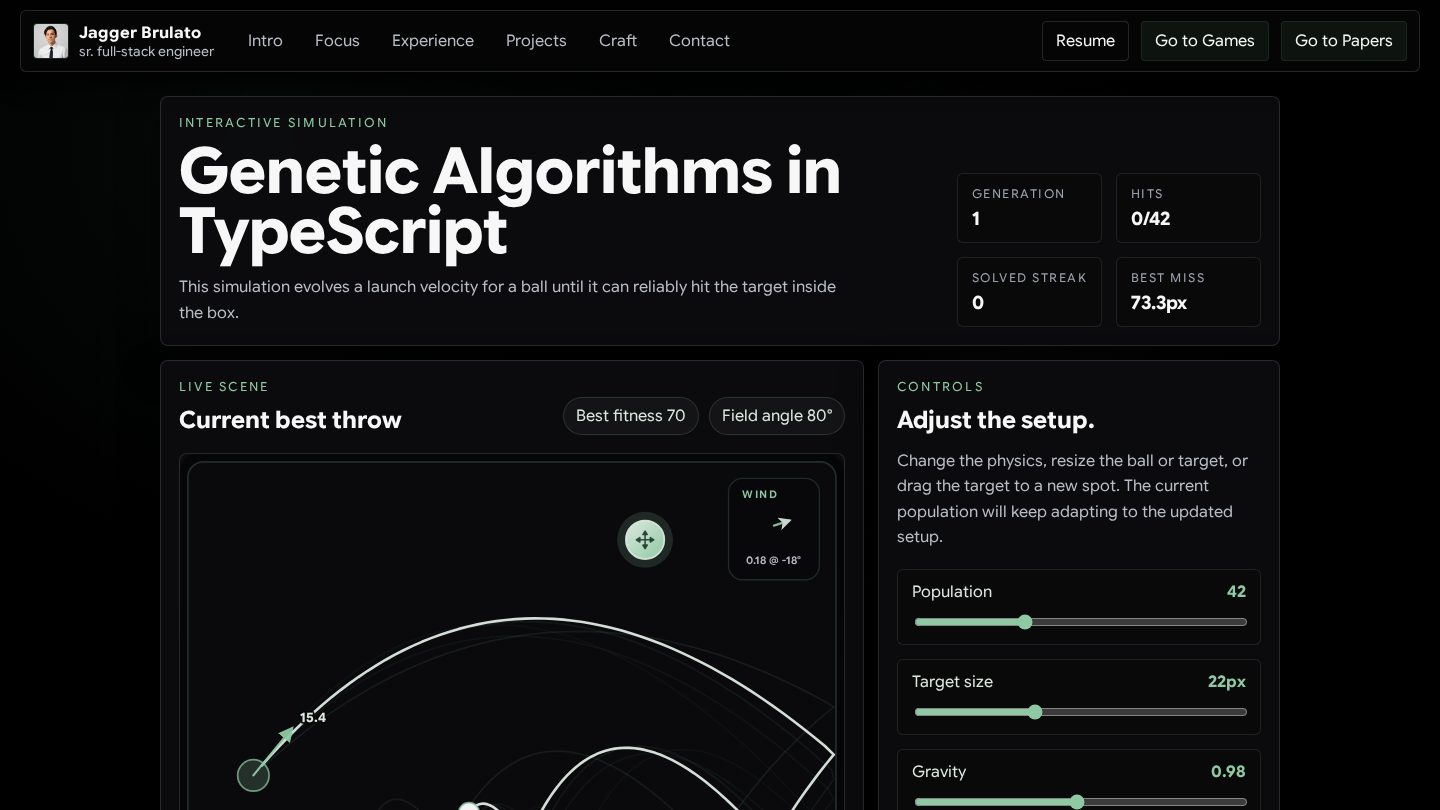
Genetic Algorithms in TypeScript
An interactive simulation where a genetic algorithm learns the launch velocity needed to hit a target under changing gravity, wind, mutation, and population settings.
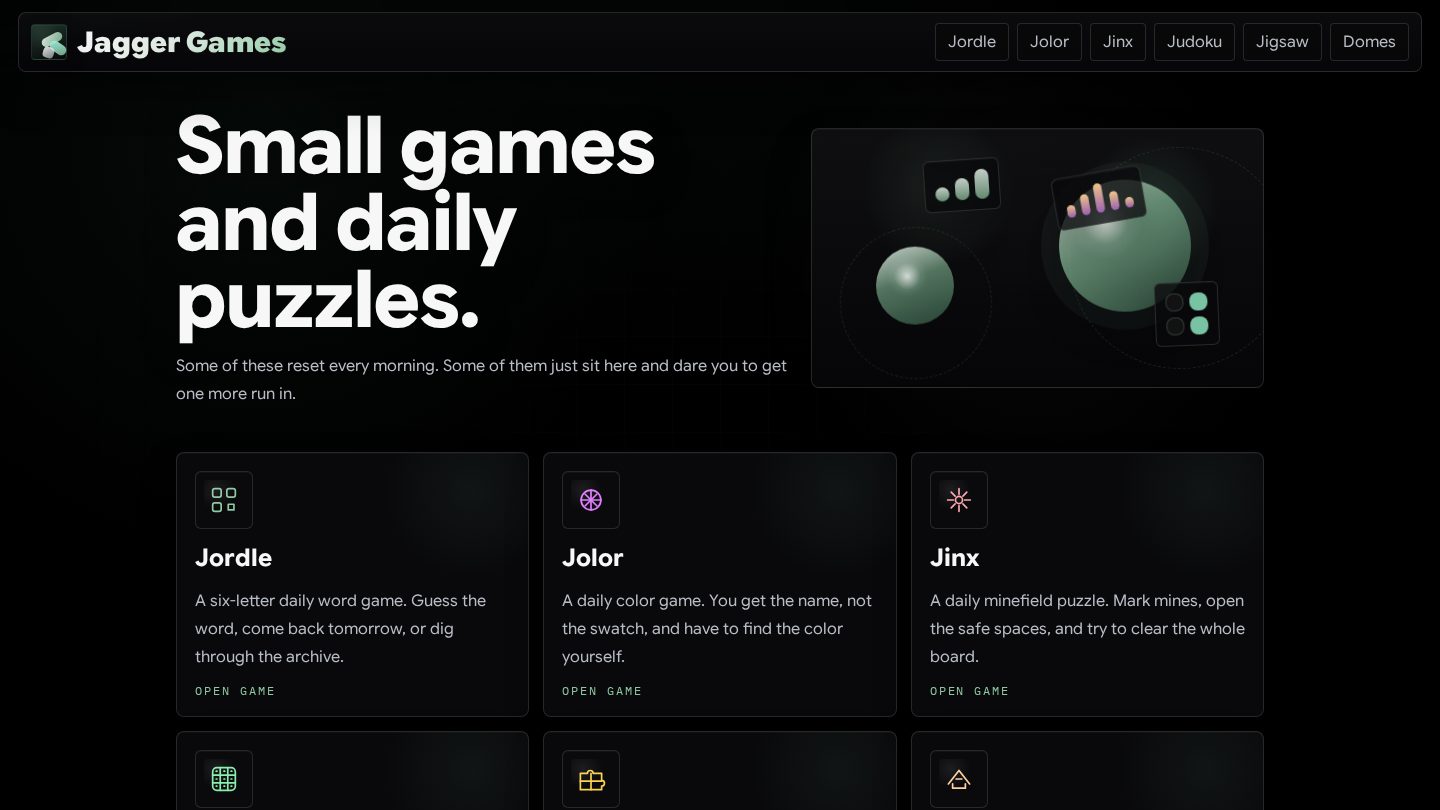
Jagger Games
A collection of browser games: Jordle, Jolor, Jinx, Judoku, and Jigsaw are daily puzzles, while Domes is a standalone two-player strategy game.
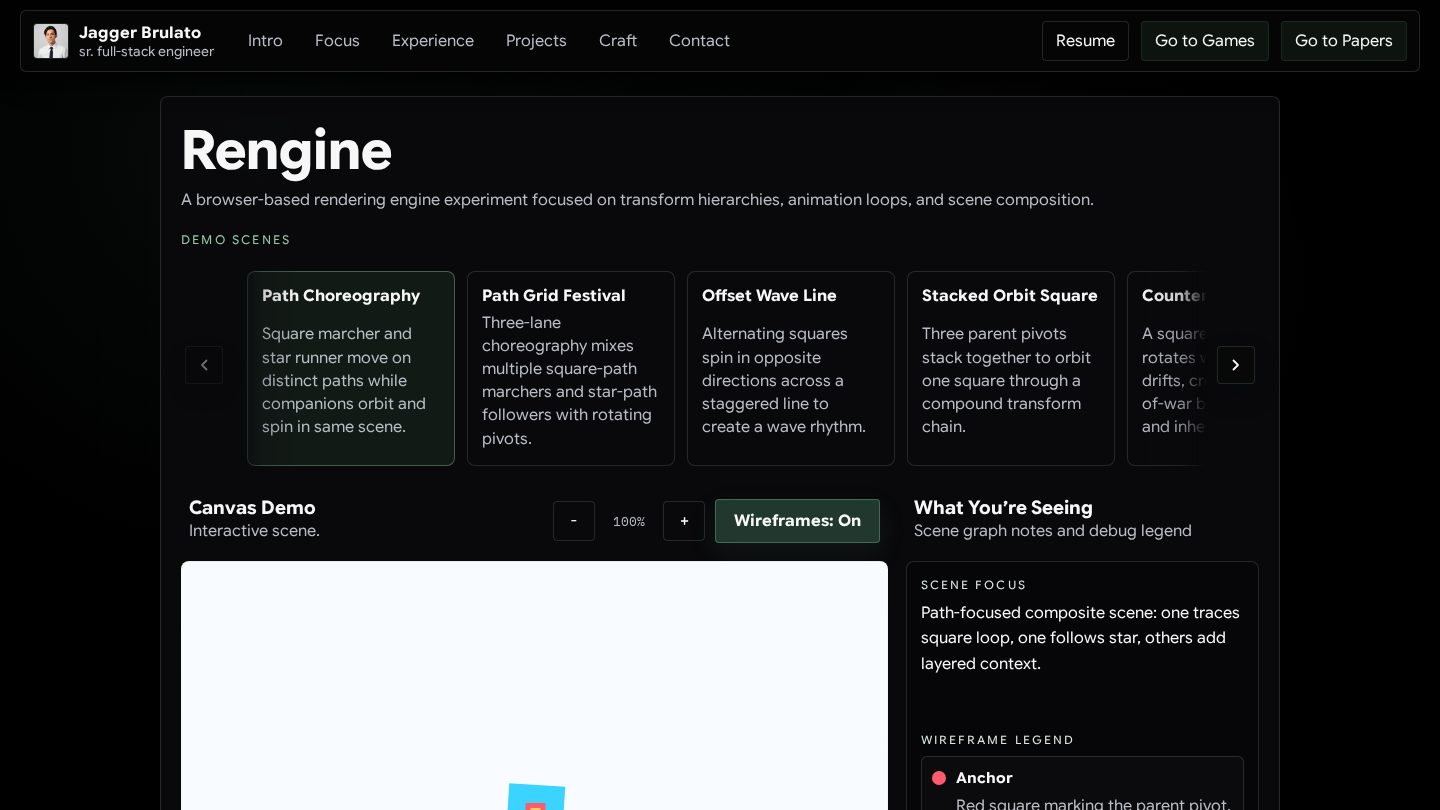
Rengine
A small rendering and game engine experiment with scenes, entities, transform hierarchies, animation loops, and switchable canvas or React output.
TSXLight Renderer
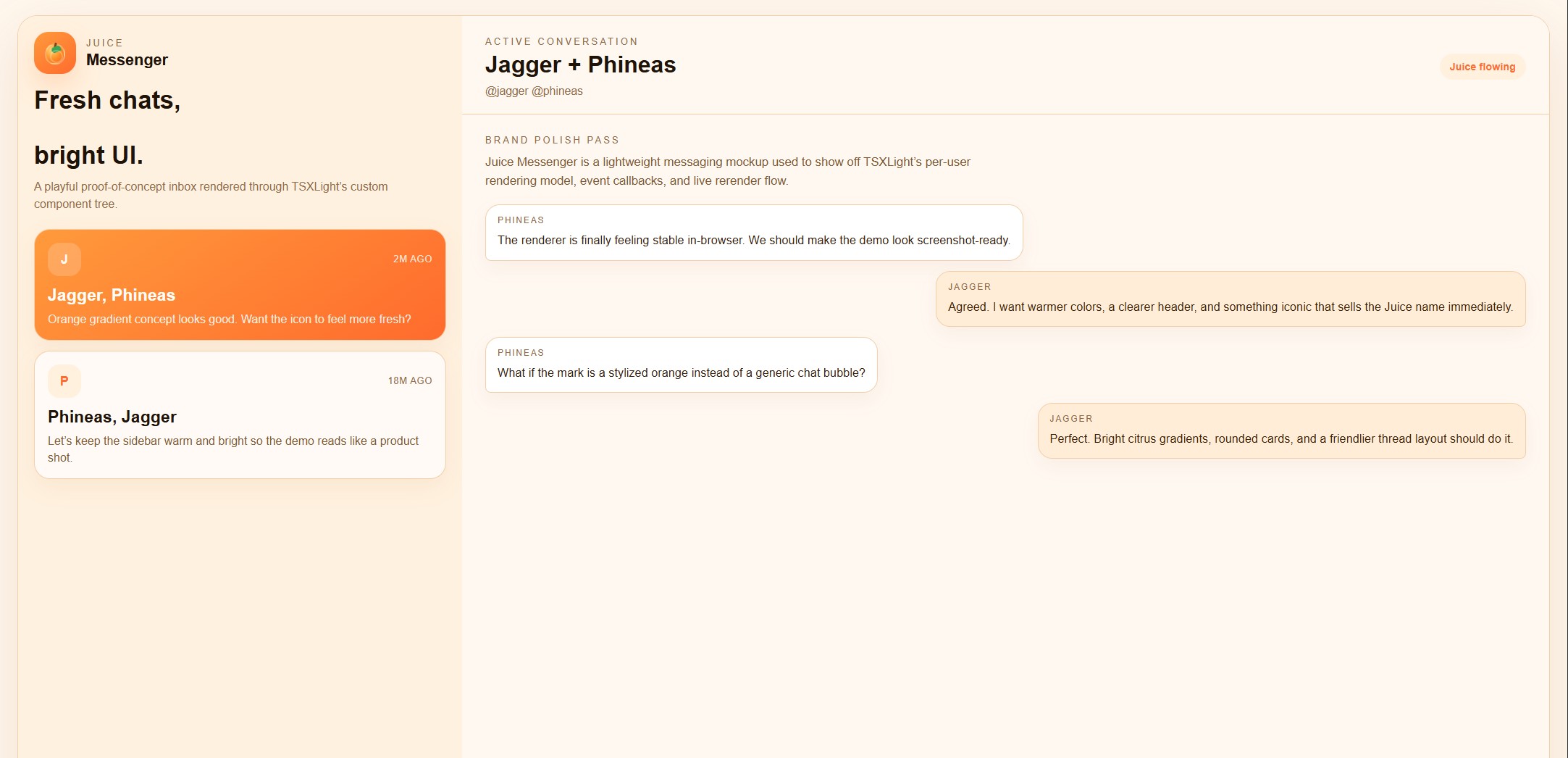
A proof-of-concept TSX rendering engine for web and Electron apps, built around a custom JSX factory, server-managed component trees, and socket-triggered callbacks.
Random Arena
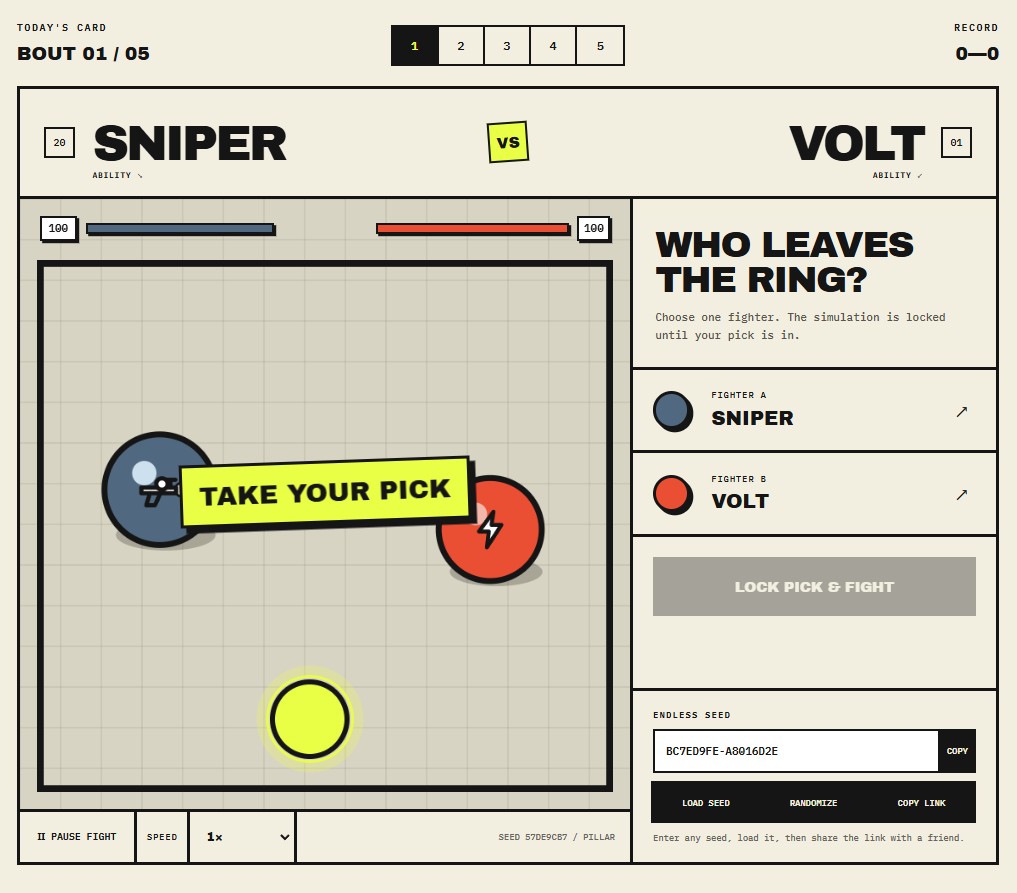
A frontend-only daily prediction game built around deterministic, perfectly elastic 2D ball fights, seed-driven matchups, distinct fighter kits, rotating weapons, projectiles, particles, and interactive arena hazards.
Chains
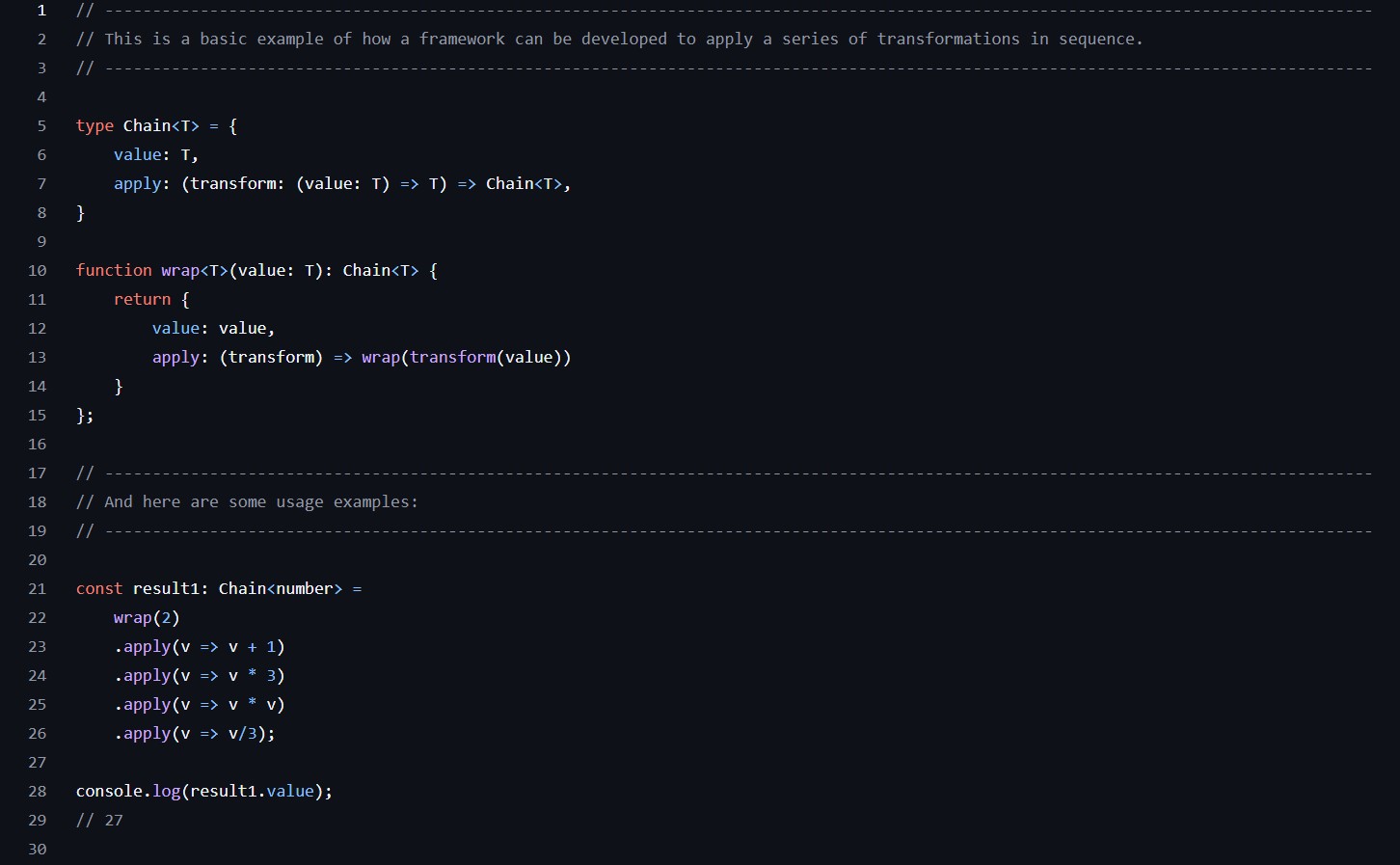
A TypeScript monadic pattern for wrapping a value, composing transformations over it, changing output types, and layering side behaviors like history or undo on top.
How I work
I care about clear systems, practical architecture, and maintainable code.
I like code with clear boundaries, obvious ownership, useful tests, good observability, and tradeoffs the team can explain.
Working with a team
I’m useful when a team needs technical direction, implementation, code review, architecture decisions, and help unblocking other engineers.
Technical leadershipDeveloper onboardingCross-functional communicationSystem designExecution under ambiguity
Systems and platform work
A lot of my strongest work is around platforms, reliability, observability, CI/CD, deployment paths, cloud infrastructure, and asynchronous systems.
Distributed systemsPlatform engineeringCloud computingObservabilityPerformance-minded design
Range
I’ve worked across enough layers to connect product decisions to frontend state, backend APIs, data models, infrastructure, and developer experience.
Frontend engineeringBackend APIsMobile developmentProgramming language toolingTypeScript, Java, Python, C#
Leadership
I lead by making the work clear and staying involved in the implementation.
I set direction, make tradeoffs, mentor engineers, organize execution, review code, and take implementation work myself.
Set a clear direction
Turn an ambiguous goal into a plan with clear priorities, ownership, milestones, technical decisions, and a path to delivery.
Lead from the work
Make architecture decisions with firsthand context, and take on difficult implementation work when the team needs it: APIs, data flow, platform code, UI state, or deployment logic.
Organize for momentum
Break work into parallel tracks, surface dependencies early, and keep communication direct across product, design, engineering, and operations.
Raise the whole team
Share context, review thoughtfully, and help engineers take ownership of larger parts of the system, from feature work to architecture and production support.
Contact
If you need a senior engineer who can lead and build, reach out.
Email is the most direct way to reach me. I’m interested in startups, product engineering, platform work, data-heavy systems, infrastructure-heavy teams, and senior roles where I still write code.
Email me directly[email protected]